Waterproofing Certificate NSW 2026: Do You Need One? Compliance, Documents & Inspections
Last Updated: August 2026
If you’re renovating a bathroom, waterproofing a balcony, repairing a leak or managing a strata property in NSW, you may be asked for a waterproofing certificate.
But is a waterproofing certificate actually mandatory in NSW?
The answer is more complicated than a simple yes or no.
There isn’t one universal standalone document called a “waterproofing certificate” that is legally required for every waterproofing job in NSW. Depending on the type of building, value and scope of the work, approval pathway and project requirements, however, waterproofing work may need to satisfy licensing, National Construction Code (NCC), Australian Standard, inspection, design, declaration and other documentation requirements.
Builders, certifiers, strata managers or other parties may also request evidence showing who completed the waterproofing and what system was installed.
This 2026 guide from Hills Waterproofing explains what people usually mean by a waterproofing certificate, when documentation may be required, who can perform waterproofing work in NSW and what homeowners should keep after the project is completed.
Short Answer: Is a Waterproofing Certificate Required in NSW in 2026?
A standalone waterproofing certificate is not automatically required for every waterproofing project in NSW. However, waterproofing work may be subject to licensing, NCC, Australian Standard, approval, inspection and documentation requirements depending on the project.
For residential building and trade work in NSW valued at more than $5,000 including labour, materials and GST, a contractor licence is required. Waterproofing is classified as trade work in NSW.
For certain regulated buildings, including relevant Class 2, 3 and 9c buildings, additional design, practitioner and declaration requirements may apply.
Homeowners should retain waterproofing documentation such as contractor details, product information, invoices, photographs and any project-specific compliance or inspection records provided.
What Is a Waterproofing Certificate in NSW?
The term “waterproofing certificate” is commonly used within the building industry to describe written documentation relating to completed waterproofing work.
Depending on the project, documentation might record information such as:
- property or project details
- waterproofing contractor details
- licence details where applicable
- areas waterproofed
- membrane or waterproofing products used
- installation date
- relevant project specifications
- photographs
- inspection information
- written statements or declarations required for the particular project
However, homeowners should understand an important distinction:
“Waterproofing certificate” is an industry term that can mean different things on different projects.
The documentation required for a bathroom renovation in a house may not be the same as that required for waterproofing work in a large apartment building.
Rather than simply asking:
“Will I receive a waterproofing certificate?”
a better question is:
“What waterproofing compliance and completion documentation applies to my particular project, and what will I receive when the work is completed?”
Is a Waterproofing Certificate Legally Required in NSW?
Short Answer: It Depends on the Project
There isn’t a blanket rule requiring exactly the same standalone waterproofing certificate for every NSW bathroom, laundry, balcony or waterproofing repair.
Requirements can depend on:
- building classification
- type of waterproofing work
- value of the work
- approval pathway
- whether a certifier is involved
- whether the building is regulated under additional NSW legislation
- contract requirements
- builder requirements
- strata requirements
- project specifications
This distinction is important.
A homeowner carrying out work in a Class 1 house may have different documentation requirements from a developer completing waterproofing work within a regulated apartment building.
Is Waterproofing a Licensed Trade in NSW?
Yes. Waterproofing is classified as trade work in NSW.
NSW Government guidance states that a contractor licence is required to carry out, advertise or contract for residential building or trade work valued at more than $5,000 in labour and materials, including GST.
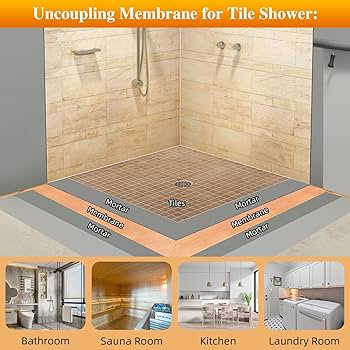
The NSW Government defines waterproofing work broadly as protective treatment used to prevent water or moisture entering a home or unwanted water escaping from wet areas.
This includes waterproofing systems involving solid membranes or membranes applied using methods such as brushing or rolling.
What This Means for Homeowners
Before engaging a waterproofing contractor, check:
- whether licensing is required for your project
- the contractor’s licence details where applicable
- the scope included in the quotation
- the waterproofing system being proposed
- what documentation will be supplied after completion
Price should not be the only consideration when comparing waterproofing quotes.
What Qualifications Do Waterproofers Need in NSW?
NSW Government currently lists recognised waterproofing qualifications including relevant Certificate III in Construction Waterproofing qualifications.
The licensing framework distinguishes between different licence and certificate types depending on whether a person or business contracts for, supervises or performs the work.
This is another reason homeowners should avoid assuming that possession of a generic piece of paper called a “waterproofing certificate” is the only thing that establishes compliance.
The contractor, work, products, design and applicable regulatory requirements all matter.
What Standards Apply to Waterproofing in NSW?
The applicable standard depends on the type of waterproofing work.
AS 3740 – Domestic Wet Areas
AS 3740 is associated with waterproofing domestic wet areas.
Typical areas include:
- bathrooms
- showers
- laundries
- other relevant internal wet areas
For houses, NCC 2022 contains wet-area waterproofing requirements and provides compliance pathways involving the Housing Provisions and, depending on the pathway used, AS 3740.
AS 4654 – External Above-Ground Waterproofing
The AS 4654 series deals with waterproofing membranes for external above-ground use.
It can be relevant to applications including:
- balconies
- terraces
- podiums
- certain external decks
- some rooftop applications
AS 4654 includes requirements relating to waterproofing membrane materials as well as design and installation.
The applicable NCC provisions and project requirements should be confirmed for the particular building and application.
Bathroom Waterproofing Certificate NSW: Do You Need One?
If you’re renovating a bathroom, don’t assume that every bathroom automatically requires the same standalone certificate.
Instead, determine what documentation applies to the specific project.
For example, the work may involve requirements relating to:
- waterproofing contractor licensing
- NCC wet-area provisions
- applicable Australian Standards
- construction approval
- builder documentation
- inspections
- certifier requirements
- strata requirements
What Should You Keep After Bathroom Waterproofing?
Even where a particular standalone certificate isn’t prescribed for your job, it is sensible to retain evidence of the waterproofing work.
This may include:
- waterproofing contractor details
- licence details where applicable
- quotation and scope
- invoice
- waterproofing product details
- product data sheets
- photographs taken before tiling
- warranty information where applicable
- inspection records where applicable
- project-specific compliance documentation
These records can be useful if a waterproofing issue develops later.
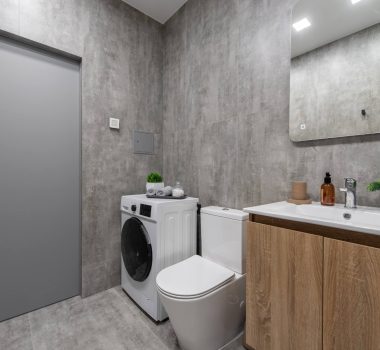
Real Project: Bathroom Waterproofing in Box Hill, NSW
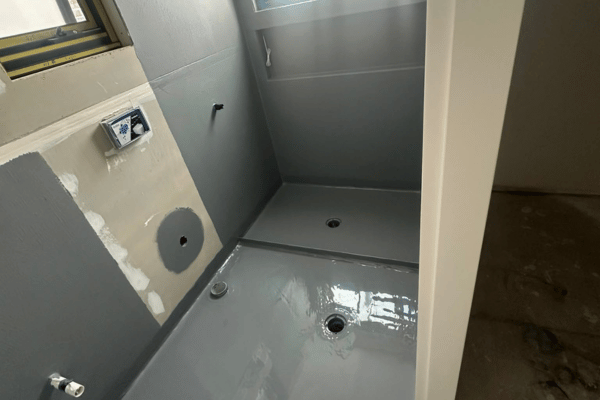
Hills Waterproofing has completed wet-area waterproofing for residential projects in Box Hill, Sydney.
This type of project demonstrates why waterproofing documentation should be considered before the membrane disappears beneath tiles and other finishes.
Once a bathroom is completed, important waterproofing details are no longer visible.
Photographic records taken during the waterproofing stage can therefore provide useful evidence of the work performed.
What Homeowners Can Learn From This Project
For your own renovation, consider retaining photographs showing:
- prepared substrate
- floor-to-wall junctions
- shower area
- plumbing penetrations
- membrane application
- completed waterproofing before tiling
Do You Need a Waterproofing Certificate for a Balcony?
Again, the correct answer is project dependent.
External above-ground waterproofing can be subject to different technical requirements from internal bathroom waterproofing.
Depending on the balcony and building, relevant considerations can include:
- AS 4654
- NCC requirements
- membrane specification
- drainage
- falls
- thresholds
- perimeter detailing
- penetrations
- project design
- certifier requirements
- strata requirements
For a new build, major renovation, strata project or regulated building, the documentation requirements may be more extensive than for minor remedial work at a house.
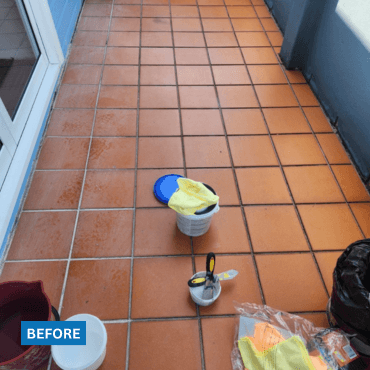
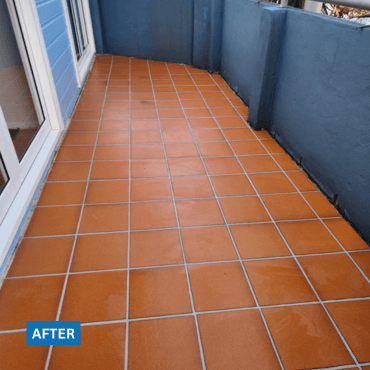
Real Project: Waterproofing in Rouse Hill, NSW
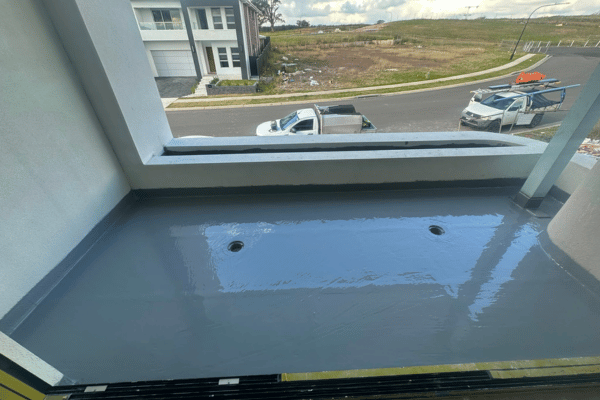
At residential waterproofing projects in Rouse Hill, documentation and photographs can help create a record of what was completed before the waterproofing system is concealed.
For external waterproofing, useful photographs may show:
- substrate condition
- preparation
- drainage areas
- perimeter details
- membrane application
- penetrations
- completed waterproofing before finishes
Project Insight
A photograph of the completed tiled balcony tells you very little about the waterproofing underneath it.
Waterproofing Documentation for Castle Hill Projects
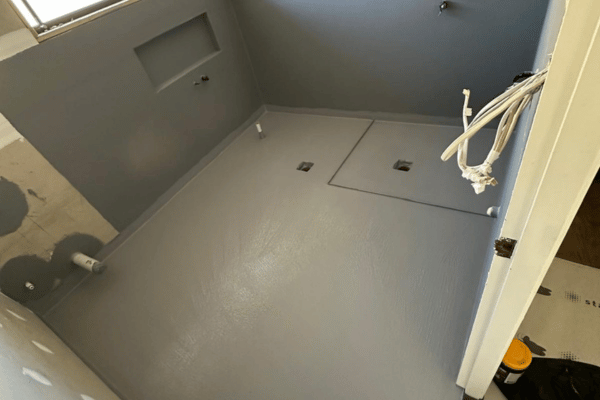
Hills Waterproofing also carries out waterproofing work throughout Castle Hill and the Hills District.
For homeowners undertaking renovations or construction, keeping project records together can make future maintenance and defect investigation much easier.
Consider creating a waterproofing folder containing:
- quotation
- invoice
- contractor information
- licence information where applicable
- membrane product information
- photographs
- warranties
- inspection reports
- relevant project documentation
Waterproofing Certificates for Apartments and Strata Buildings
Apartment and strata waterproofing requires additional care because the work can affect more than one property.
A waterproofing failure may affect:
- an individual lot
- common property
- neighbouring apartments
- ceilings below
- external building elements
- structural components
Before waterproofing or remedial work begins, the parties involved should establish what approvals, documentation, designs, inspections and practitioner requirements apply.
Additional Rules for Regulated Buildings in NSW
NSW has additional requirements for certain regulated buildings.
For relevant Class 2, Class 3 and Class 9c buildings, obligations under the Design and Building Practitioners framework can apply.
Depending on the work, this framework can involve requirements relating to:
- regulated designs
- design compliance declarations
- registered design practitioners
- building practitioners
- documentation lodged through the required process
- certifier obligations
This is particularly important for apartment and other regulated building projects.
A contractor-issued document casually referred to as a “waterproofing certificate” should not be assumed to replace statutory designs, declarations or other documentation required under NSW legislation.
When Should Waterproofing Be Inspected?
The appropriate inspection process depends on the project.
However, waterproofing is often easiest to assess before it is covered by tiles or other finishes.
Depending on the project, an inspection may consider visible matters such as:
- membrane coverage
- junction detailing
- penetrations
- drains
- terminations
- substrate condition
- relevant project details
Any mandatory inspection, testing or certification requirements should be established from the project’s approval, design and regulatory documentation.
Don’t assume that every NSW waterproofing project follows one universal inspection process.
What Should Waterproofing Documentation Include?
There is no single universal template that applies to every project, but useful waterproofing records may include:
| Documentation | Why Keep It? |
|---|---|
| Contractor/business details | Identifies who completed the work |
| Licence information | Records relevant contractor credentials |
| Scope of work | Shows what areas were waterproofed |
| Invoice | Provides evidence of the work and date |
| Membrane/product details | Identifies the system used |
| Product data sheets | Provides technical product information |
| Before/during photos | Records work before it is concealed |
| Inspection records | Evidence of inspections where applicable |
| Warranty documents | Records applicable warranty terms |
| Plans/design documentation | Important where relevant to the project |
| Compliance declarations | Important where legally required |
Keeping these records together is particularly useful for renovations, strata projects and future remedial investigations.
Is a Waterproofing Certificate the Same as a Warranty?
No.
A waterproofing certificate or compliance-related document and a warranty serve different purposes.
A project document may record details about the waterproofing work or compliance process.
A warranty sets out specific terms relating to the product, workmanship or waterproofing system.
Don’t assume that receiving one automatically means you have the other.
Ask the contractor:
What warranty applies to this project, who provides it, what does it cover and what documentation will I receive?
Is a Waterproofing Certificate the Same as a Contractor Licence?
No.
These are also different things.
A contractor licence relates to the person’s or business’s authority to contract for applicable work under NSW licensing requirements.
A document described as a waterproofing certificate usually relates to the work performed on a particular project.
Homeowners should therefore check contractor credentials separately from project completion documentation.
What Happens If You Don’t Have Waterproofing Documentation?
Missing paperwork doesn’t automatically prove that waterproofing is defective.
Likewise, possessing a certificate doesn’t automatically prove that every aspect of the waterproofing system is defect-free.
However, poor record keeping can make it harder to determine:
- who performed the work
- what waterproofing product was used
- when the work was completed
- what areas were waterproofed
- what warranty may apply
- whether inspections occurred
- what was visible before finishes were installed
This can become particularly important if a leak appears several years later.
Can Missing Waterproofing Documentation Affect Insurance?
Avoid assuming that an insurance claim will automatically be rejected simply because you don’t have a document called a waterproofing certificate.
Insurance outcomes depend on the individual policy, cause of damage, exclusions, circumstances of the loss and evidence available.
If insurance is relevant to your project or an existing leak, review your policy and speak directly with your insurer about what evidence they require.
Waterproofing documentation can nevertheless provide useful evidence about previous building work.
Can Missing Waterproofing Documentation Affect a Property Sale?
Property transactions can lead buyers, solicitors, strata representatives or building inspectors to ask questions about previous renovations and building work.
Keeping clear records can make it easier to demonstrate:
- when waterproofing occurred
- who performed it
- products used
- scope of work
- relevant warranties
- available approvals or compliance documents
However, the documentation legally required during a property transaction depends on the property and circumstances.
How Much Does Waterproofing Compliance Documentation Cost?
There shouldn’t be a generic online price for a “waterproofing certificate” because the service being provided can vary substantially.
For example, the cost could depend on whether someone is providing:
- documentation for work they personally performed
- a waterproofing inspection
- investigation of existing work
- testing
- a specialist report
- certification associated with a larger building project
Be cautious of treating a low-cost standalone certificate as equivalent to a proper inspection, compliant installation or statutory documentation.
For actual waterproofing project costs, see our Waterproofing Cost Sydney 2026: Price Per m² Guide.
How to Protect Yourself Before Waterproofing Begins
Before engaging a waterproofing contractor in Sydney:
1. Establish the Scope
Confirm exactly what is being waterproofed and what preparation is included.
2. Check Licensing Requirements
Confirm whether the work requires a contractor licence and verify applicable credentials.
3. Ask Which Requirements Apply
Depending on the project, this may involve NCC requirements, Australian Standards, plans, specifications or other statutory obligations.
4. Ask About Documentation Before Work Starts
Don’t wait until the tiles have been installed.
Ask:
“What documentation will I receive when the waterproofing is completed?”
5. Keep Photographic Evidence
Where appropriate, take clear photographs before the waterproofing becomes concealed.
6. Keep Product Information
Record the waterproofing system used.
7. Keep Everything Together
Store invoices, photographs, product details, inspection records and relevant certificates/declarations together.
Waterproofing Certificate NSW 2026 Checklist
Before your waterproofing project is closed out, consider whether you have:
Contractor details
Licence information where applicable
Written scope of waterproofing work
Invoice
Waterproofing membrane/product details
Product data sheets where provided
Photographs before waterproofing
Photographs during membrane installation
Photographs before tiling/covering
Inspection records where required
Warranty documentation where applicable
Relevant plans or specifications
Project-specific compliance documentation
Required statutory declarations/design documentation for regulated work, where applicable
Frequently Asked Questions
Is a waterproofing certificate mandatory in NSW?
Not for every project as one universal standalone document. Waterproofing work may nevertheless be subject to licensing, NCC, Australian Standard, approval, inspection and documentation requirements depending on the project.
Is waterproofing a licensed trade in NSW?
Yes. Waterproofing is trade work in NSW. A contractor licence is required to carry out, advertise or contract for residential building or trade work valued at more than $5,000 including labour, materials and GST.
Do I need a waterproofing certificate for a bathroom renovation?
It depends on the building and project. Instead of assuming that a generic certificate is mandatory, establish what waterproofing, approval, inspection and documentation requirements apply to your particular renovation.
What waterproofing standard applies to bathrooms?
AS 3740 relates to waterproofing domestic wet areas. NCC requirements also apply, and the applicable compliance pathway depends on the project and building classification.
What standard applies to balcony waterproofing?
The AS 4654 series deals with waterproofing membranes for external above-ground use and is relevant to certain balconies, terraces and similar external applications. Applicable NCC and project-specific requirements should also be considered.
Who can issue a waterproofing certificate?
That depends on what is meant by “certificate” and what the project requires. A waterproofing contractor may provide documentation concerning their own work, while other projects may require documentation, inspections or declarations from builders, practitioners, inspectors or certifiers. A contractor document shouldn’t be assumed to replace statutory documentation required for regulated work.
Should I photograph waterproofing before tiling?
Keeping photographs can be extremely useful because the waterproofing system will usually become concealed. Photos can provide a record of membrane application and critical details before finishes are installed.
Does having a waterproofing certificate guarantee there will never be a leak?
No. A document doesn’t guarantee that a waterproofing system can never fail. Long-term performance can be influenced by installation, substrate condition, building movement, drainage, later construction work, maintenance and other factors.
Need Waterproofing or Compliance Guidance in Sydney?
If you’re planning a bathroom, balcony, laundry, rooftop or remedial waterproofing project, determine the applicable requirements before the waterproofing is concealed.
Hills Waterproofing provides professional waterproofing services across Sydney, including:
- bathroom waterproofing
- wet-area waterproofing
- balcony waterproofing
- external waterproofing
- rooftop waterproofing
- remedial waterproofing
- residential waterproofing
- strata and commercial waterproofing
We service Box Hill, Rouse Hill, Castle Hill, the Hills District and suburbs across Sydney.
Contact Hills Waterproofing to discuss your project, waterproofing scope and the documentation applicable to the work.